
Welcome offerTop pick
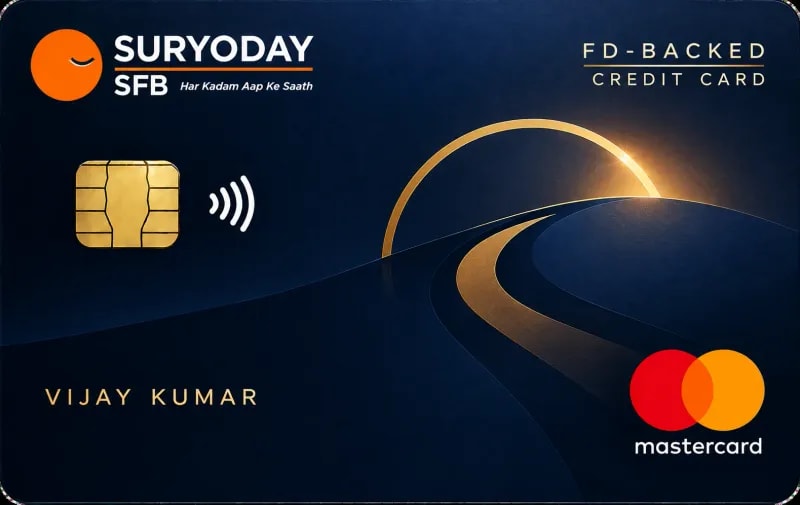
Suryoday Small Finance Bank3.2out of 5
Suryoday SFB FD-Backed Credit Card
Joining fee₹177
Annual fee₹150
Fee waivable on spend
Every card ranked on what you actually keep — after monthly caps and annual fees are netted off. Zero sponsored placements, zero hidden exclusions.
Cards from every major issuer
 State Bank33 cards
 RBL Bank11 cards
 HDFC Bank9 cards
 IDFC Bank8 cards
 Kotak8 cards
 Bank of Baroda7 cards
 Axis Bank6 cards
 Federal Bank6 cards
 Icici Bank6 cards
 HSBC Bank4 cards
 Standard Chartered Bank4 cards
 American Express3 cards
 SBM Bank3 cards
 Yes Bank2 cards
 DBS Bank1 card
 Punjab National Bank1 card
 Unity Small Finance Bank1 card
Eight free tools, and the card match takes about two minutes. No sign-up, no spam.
Ranked on cardholder ratings, one per issuer — so this row is eight different banks, not eight cards from the same one.
Pick the category that matches your month, and every card in it is priced on the same rules.
How these are ordered
The same basket run through both cards, with every cap applied and the annual fee taken off the total. Watch a matchup, or put your own spending in below — nothing you type leaves your browser.
Joining benefits and fee waivers as each issuer publishes them — every line below is the bank's own wording, not ours.
You earn: Up to 10 reward points per ₹150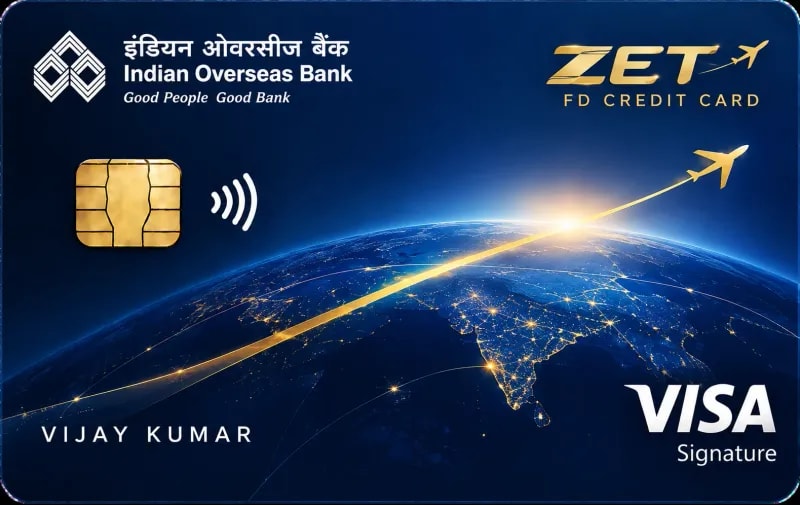 You earn: Up to 5% cashback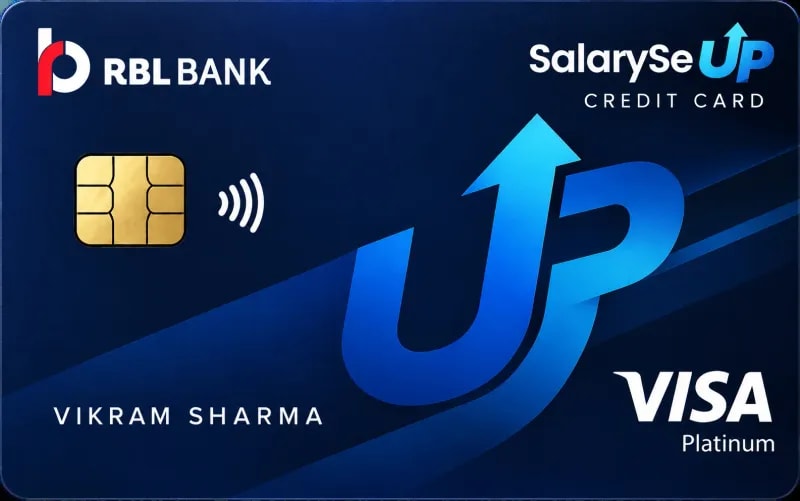
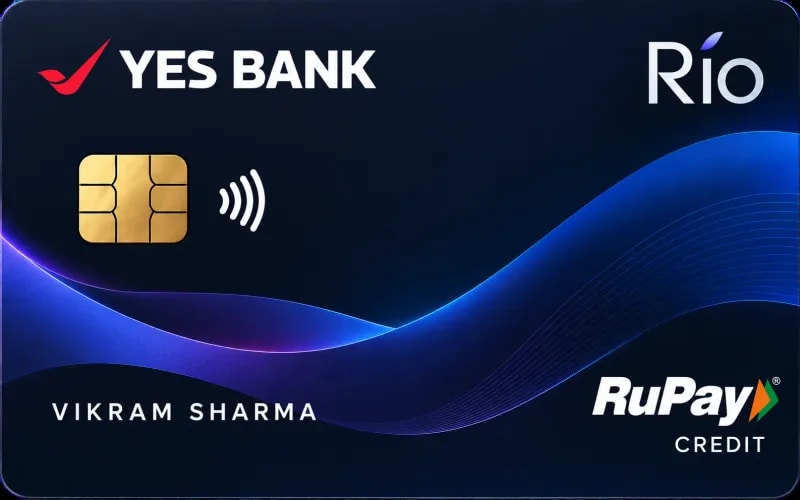
 You earn: Up to 5% cashback
 You earn: Up to 5% rewards
Joining fee, reward rate, milestone benefits, lounge quota, fuel waiver — each one broken down in the same order on every card, so nothing surprises you at the first statement.
Every number on this site can be traced back to a bank's own published terms. Where we made a judgement call, the rule is written down and applied to every card the same way.
We apply the monthly cap, subtract the annual fee and show what is actually left. A 5% rate capped at ₹500 a month is not a 5% card, and the table says so.
Cap and fee read from each card’s MITC
Rent, fuel, wallet loads and government spends are excluded far more often than banks advertise. Those sit on the card page, not in a footnote.
Listed per card, in the issuer’s wording
When an issuer quietly devalues a reward rate we keep the old value beside the new one, with the source and the date it takes effect.
Public log in the change tracker
We earn when you apply, but no issuer can buy a position. The ranking rule is public and identical for every card in the catalogue.
One rule, published in full
If you write about money, run a channel, or help people apply one-to-one — share a tracked link and get paid when the bank approves the application. No minimum audience, zero fees.
Partner earnings never influence how a card is ranked — the two systems do not talk to each other.
The five things people ask before applying. Each one answers itself in a line — open it only if you want the full version.
Everything worth knowing before you choose. All of it is on this page — open only what you need.
Every card here is read from the issuer's published fee schedule and terms — annual fee, earn rates, the caps that stop them, exclusions and eligibility — with the date each figure was last checked shown on the card page.
Three tools do the work:
Ranking order comes from the data, never from what a bank pays. CredSpy earns a commission on some applications; it does not change a card's score or its position.
Four adjustments separate a net-value ranking from a list of headline rates: monthly caps are applied, excluded categories such as rent, fuel and wallet loads are scored at zero, the annual fee is subtracted with the waiver applied where spending clears it, and reward points are converted to rupees at each card's own redemption value rather than at a flat assumption.
You earn: Up to 5% cashbackYou earn: Up to 3% cashbackYou earn: Up to 10 reward points per ₹150 You earn: Up to 10 reward points per ₹200
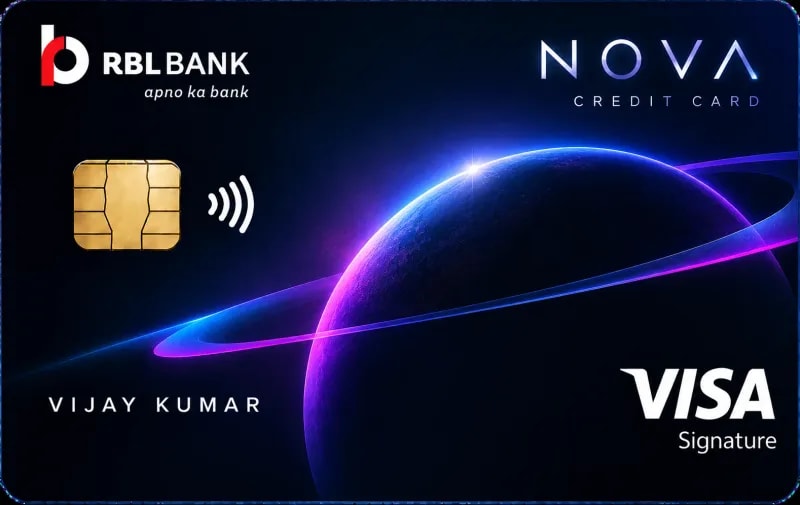 You earn: Up to 12 reward points per ₹200You earn: Up to 5% rewards
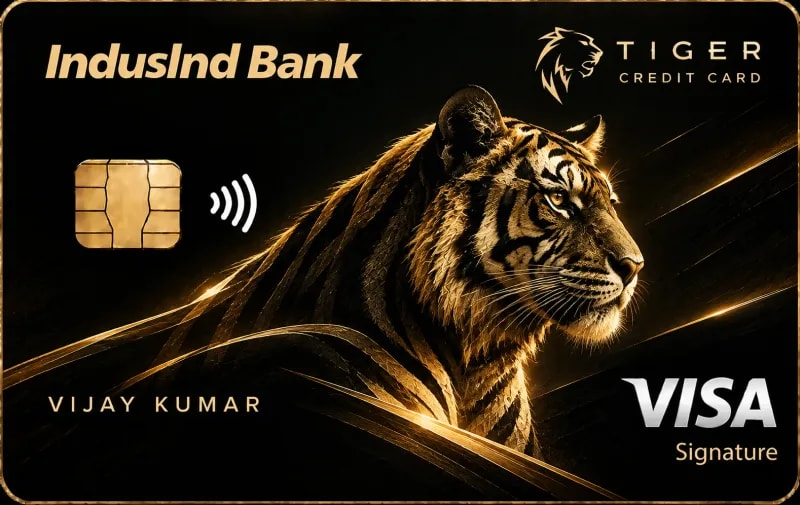 You earn: Up to 2.4% rewards
 You earn: 4X points per ₹200
Money back on what you spend, not points to redeem later.
You earn: Up to 3% cashbackYou earn: Up to 5% cashbackYou earn: Up to 5% cashback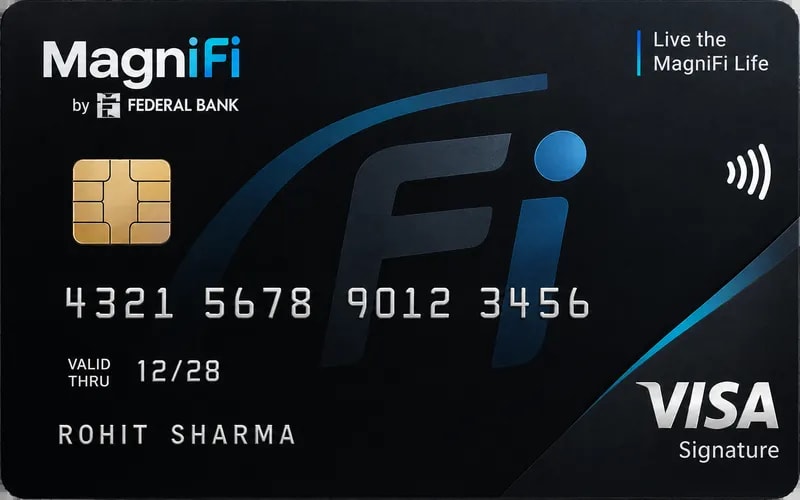 You earn: Up to 5% cashback
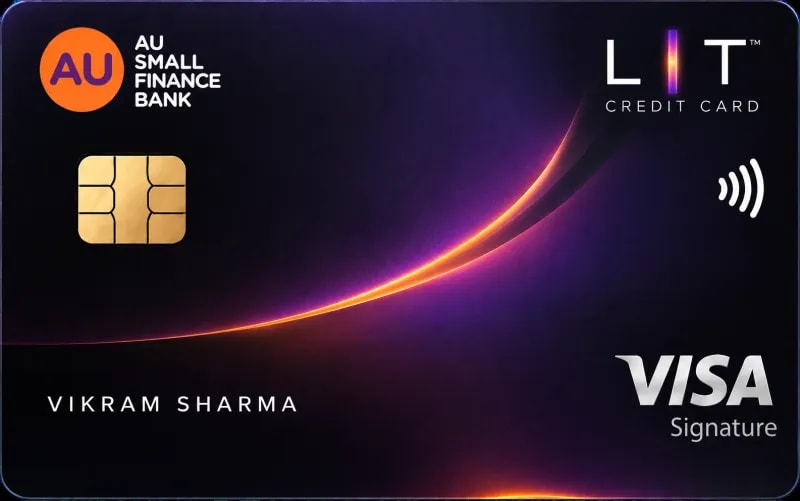 You earn: Up to 5% cashback
 You earn: 2X points per ₹150
 You earn: Up to 20% cashbackYou earn: Up to 5% cashback
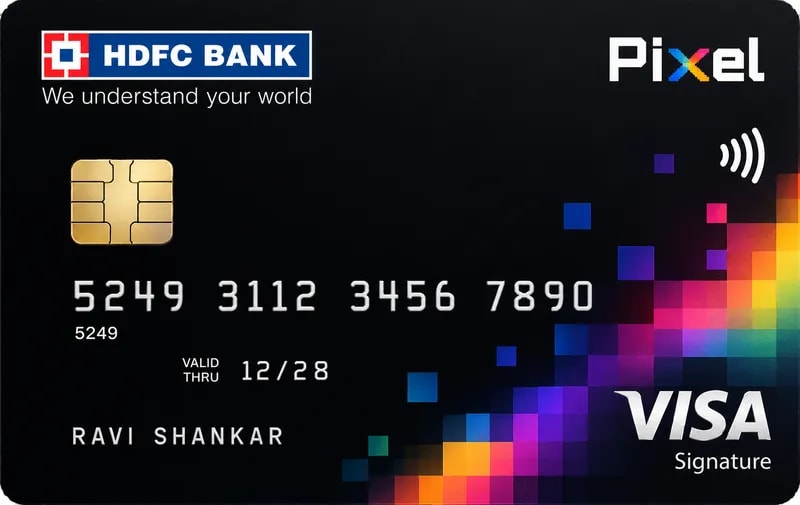 You earn: Up to 5% cashback
 You earn: Up to 5% cashback
Complimentary lounge visits, air miles, and no forex markup.
You earn: Up to 3% cashbackYou earn: Up to 10 reward points per ₹200You earn: Up to 5% rewardsYou earn: Up to 2.4% rewards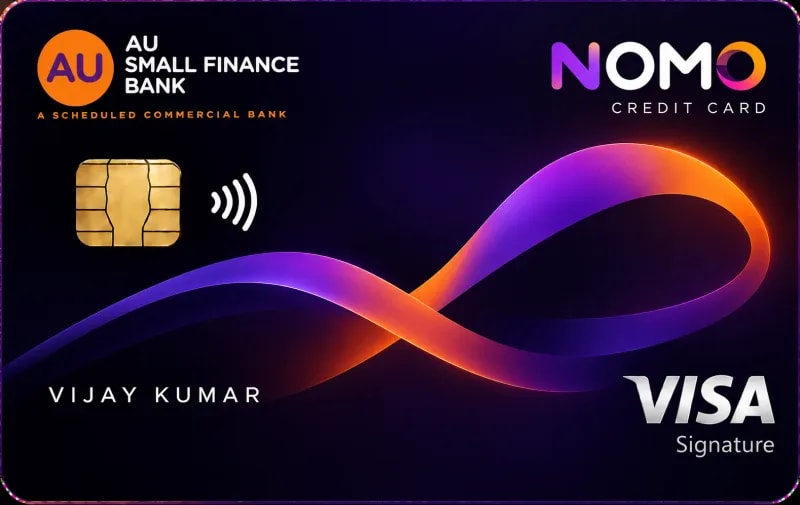 You earn: Up to 2 reward points per ₹100
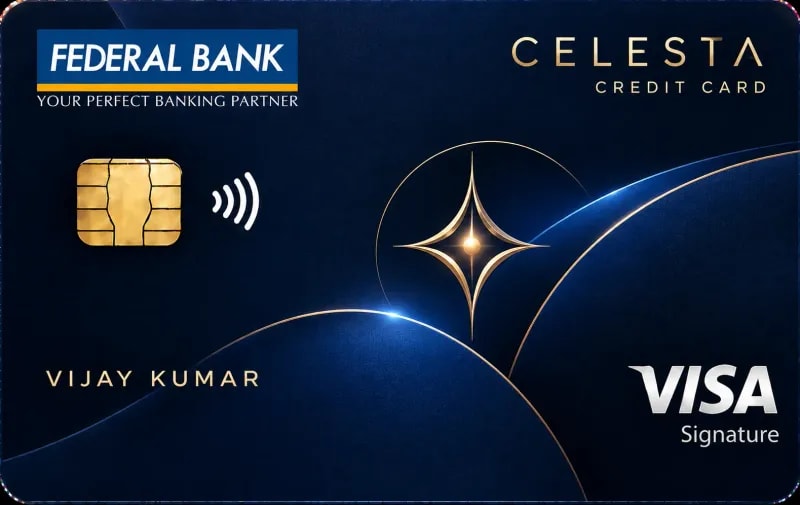 You earn: Up to 3 reward points per ₹100
 You earn: Up to 3 reward points per ₹100
 You earn: Up to 2 reward points per ₹100
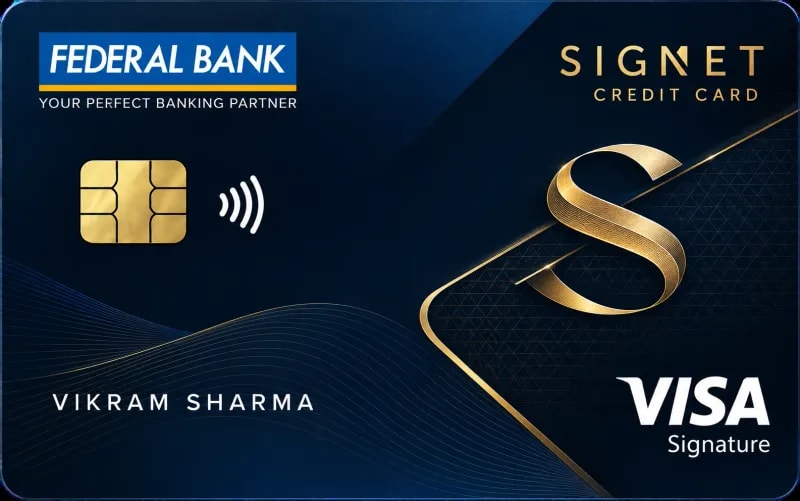 You earn: Up to 3 reward points per ₹100You earn: Up to 5% cashback
No joining fee, no annual fee, no renewal fee. Ever.
You earn: Up to 3% cashbackYou earn: Up to 10 reward points per ₹200You earn: Up to 5% rewardsYou earn: Up to 2.4% rewardsYou earn: Up to 2 reward points per ₹100You earn: Up to 5% cashbackYou earn: Up to 3 reward points per ₹100You earn: Up to 3 reward points per ₹100You earn: Up to 2 reward points per ₹100You earn: Up to 3 reward points per ₹100The best credit card depends entirely on your spending habits. If you shop online frequently, a high-rate cashback card is ideal. If you travel multiple times a year, a travel card offering lounge access and airline points provides better net value. Use the reward calculator on this page to see which card matches your actual spend breakdown.