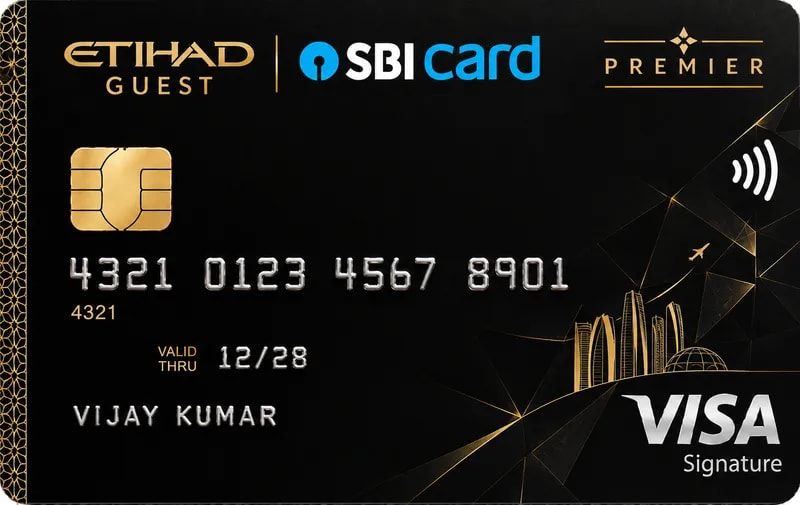
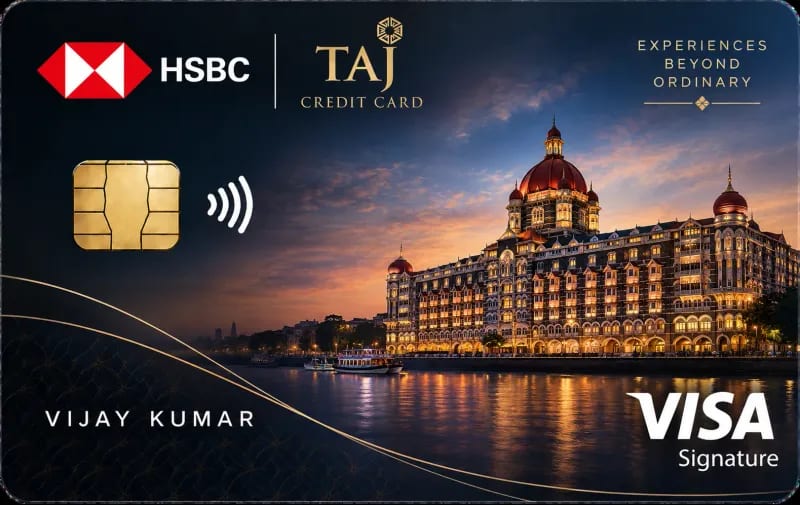
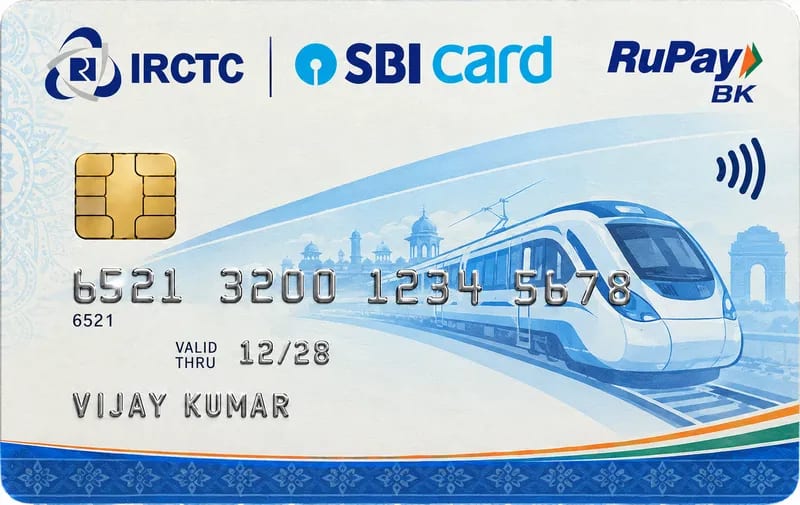
Pick the spend that dominates your statement. Every list is rebuilt from the live catalogue, so it reflects the cards on offer today rather than a page written once and left alone.
A 750 score clears the bar almost every Indian issuer publishes, which makes this the widest list on the site — so the question stops being approval and starts being which card pays you most.
Four cards of ninety-nine publish a city list. Every other card in the catalogue is available nationwide, so a card is not better in Mumbai than in Surat — what changes by city is your branch, your employer category and which lounges you can actually reach.
Forty-one cards publish an interest-free period. Twenty-nine of them sit at 50 days, the longest runs to 62, and the shortest is 20 — which is forty-two days of free credit between two cards that otherwise look alike.
No issuer publishes an EMI interest rate per card, so the two numbers that actually decide what an EMI costs you are the finance charge and the interest-free period. These are the cards that win on both.
At 700 the premium cards asking 750 are out of reach, and what remains is a real list rather than a consolation one — entry-level and mid-tier cards whose published requirement you already meet.
Domestic and international lounge visits, and what you have to spend to keep them. Complimentary visits are usually capped per quarter — the count is on each card page.
Twenty-two cards in the catalogue run on Visa, five on Mastercard and two on American Express. The network decides where the card works abroad and almost nothing else — the rewards, the fee and the lounge count are the issuer’s, not Visa’s.
Forty-five cards reverse their annual fee once you spend enough, and the threshold is what decides whether the card is really free. The lowest is Rs. 50,000 a year — about Rs. 4,200 a month — and the highest asks thirty times that.
Annual fee
₹0 – ₹12,500
Lifetime free
1
With lounge
19
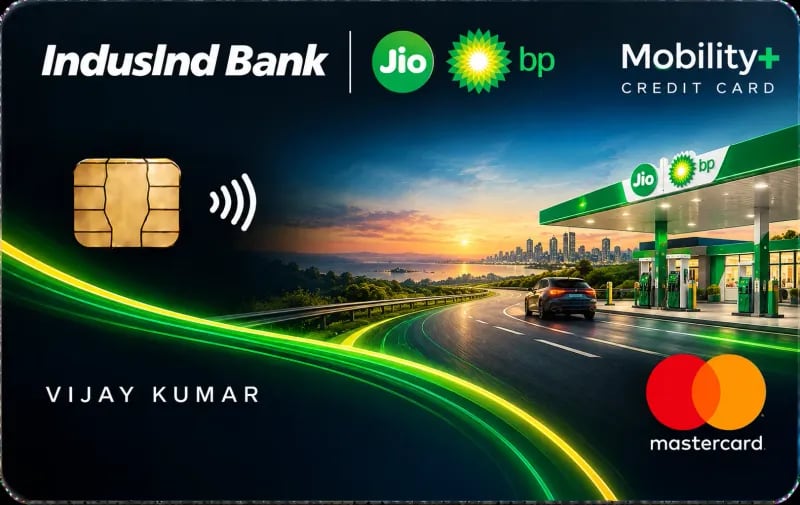
IndusInd Bank Jio-bp Mobility+ Credit Card + 49 more
Thirty-eight cards charge a fee above zero and at or below Rs. 1,000, and most of them waive it on spending you would do anyway. This is where the catalogue actually lives: only eighteen cards charge more than Rs. 2,500.
Restaurant discounts, Swiggy and Zomato multipliers, and the memberships that come bundled. Dining caps bite fast, so the monthly limit matters as much as the rate.
Fuel cards pay in two ways: a surcharge waiver on the 1% the pump adds, and accelerated points on the spend itself. The cards below do both, ranked by what a ₹4,000-a-month fuel bill actually returns.
Only RuPay credit cards can be linked to UPI, so these are the cards that pay you for scanning a QR code. The UPI earn rate is often lower than the swipe rate — check it on each card page.
Cashback lands as a statement credit — no points to convert, no expiry to track. These cards return the most on everyday spends after the annual fee is netted off.
Concierge, unlimited lounge access, golf and milestone vouchers. Premium cards only make sense above a spend threshold — the break-even is on every card page.
Points earned on every spend and converted by you — to air miles, vouchers or statement credit. What a point is worth differs from card to card, so the conversion rate is on each card page.
Abroad, the fee that decides the card is the foreign currency markup, and it is the one fee nobody shops on. Thirty-seven cards charge the 3.5% default — Rs. 4,130 on every Rs. 1,00,000 spent overseas once GST is added — sixteen charge less, and five charge nothing at all.
Twenty-eight cards publish what a self-employed applicant has to show, and where both figures are stated in the same unit it is the same income a salaried applicant needs — a year of ITR instead of a month of payslips. Five need no income proof at all.
Sixty-five cards publish an upper age limit and most readers never look for it: ten stop at 60 and twenty-two at 65. Past 65 the honest list is the thirty-three that run to 70 — and past 70, only two.
Not one card in the catalogue names homemaker as an employment type it accepts, so the search has two honest answers: a free add-on card on an earning spouse’s account, which twenty-eight cards give, or a deposit-backed card in your own name.
Fifty-seven cards publish a finance charge. Forty-four of them charge exactly 3.75% a month — 45% a year — and only ten charge less. The cheapest is 3.5% a month, or 42% a year, and no card in India charges 0%.
No Indian issuer publishes a credit limit, so any list claiming to rank them is guessing. Two things are published: the income a card asks for, which is what the limit is set from, and the deposit on a secured card, which is the only limit you can know in advance.
Seventeen credit cards accept an eighteen-year-old. Of those, the five a student can realistically be approved for are the ones issued against a fixed deposit, because they ask for neither a credit score nor a payslip.
Ten cards, scored on what they pay against what they cost rather than on what their issuers pay us. The list moves when a fee or a reward rate moves, which is why it is generated from the catalogue and not written once.
Ordering in is not dining out, and the cards do not treat it the same. A card paying 10% at restaurants can pay 1% inside a delivery app, because the merchant category code is different — so this list is the cards that name the apps.
At Rs. 50,000 a month approval stops being the question. Nearly every mainstream cashback and rewards card publishes a minimum you clear, so the one to pick is the one that pays most on what you actually spend on.
With no score to show — a first card, a student, a new earner — or a score too low for an unsecured card, the cards that stay open are the ones approved against a fixed deposit rather than against a credit file.
At Rs. 25,000 a month the entry-level cards from most major issuers are in range, several of them with the annual fee waived on spending you would do anyway.
Two cards publish a minimum at or below Rs. 15,000 a month, and the rest of this list needs no income proof at all — a deposit stands in for the payslip, and the card reports to the bureaus exactly the same.
With no payslip, no Form 16 and no ITR, five cards still work. Each is issued against a fixed deposit you open yourself, and the deposit receipt is the only income document the bank asks for.
Everything worth knowing before you choose. All of it is on this page — open only what you need.
1. How this best credit cards list is built
1 min read
Every card on this page is scored the same way: what it returns against a realistic spending pattern, minus what it costs, with caps and exclusions applied. That ordering comes from the data, not from commercial arrangements.
The scoring works in four steps. Caps are applied first — a 5% rate that stops at Rs. 2,000 a cycle is scored at Rs. 2,000, not at 5% of everything. Exclusions are then removed, because fuel, rent, wallet loads and EMI conversions earn nothing on most cards and would otherwise inflate every score. The annual fee is subtracted, and the waiver applied if the spending reaches its threshold. Finally points are converted to rupees at each card's own redemption value, so a 10X multiplier and a flat cashback rate can be compared on the same axis.
That last step is where most comparisons go wrong. A multiplier describes an earn rate, not a value: ten points per Rs. 100 is worth 2.5% at Rs. 0.25 a point and 1.5% at Rs. 0.15.
What the list will not do is promise approval. Eligibility is a separate question decided by income, age and your bureau file — check it with the eligibility checker before applying.
For a shortlist against your own numbers rather than a representative basket, run the recommendation tool, which scores every tracked card against the spending you enter.
2. Frequently Asked Questions
5 questions answered
Which is the best credit card in India right now?+
There is no single best card — it depends on where you spend. The ranking here scores every tracked card on net value after caps, exclusions and fees, and the top card changes with the spending pattern you apply.
How are these credit cards ranked?+
By net annual value: rewards earned against a realistic spending pattern with caps applied and excluded categories removed, minus the annual fee, with the waiver applied where spending clears it, and points converted at each card's own redemption value.
Does CredSpy get paid to rank cards higher?+
No. Ordering comes from net value against spending. The method is set out in full on [how we rank](/how-we-rank).
How often is this list updated?+
The catalogue behind it is checked continuously against issuer fee documentation, and the ranking recalculates as fees, rates and caps change.
Should I pick a card by reward rate alone?+
No. The cap, the exclusions and the fee usually matter more. A capped 10% rate can pay less over a year than an uncapped 1.5% one, and a fee you never waive erases a large share of any rate.



 IDFC FIRST WOW! Black Credit Card + 98 more