Rewards & Benefits
Airport Lounge Access Explained: Visits, Quarters and the Small Print
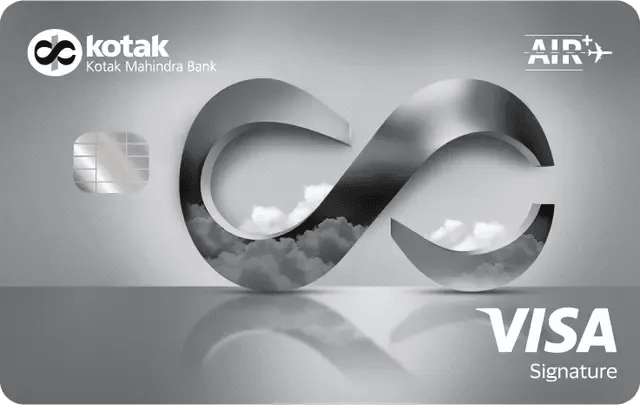
Complimentary lounge access is almost never unlimited. Of the 13 cards in CredSpy's catalogue that offer it, the common shape is a fixed annual count split into per-quarter caps — and unused visits do not carry forward.
CredSpy Editorial
7 min read
On this page7 sections
What works
- Genuine value for frequent domestic flyers when the quarterly cap matches travel patterns
- Often bundled with travel cards that also waive fuel surcharge or forex mark-up
- Railway lounge access suits people who travel long distance by train
- Some cards extend access through a Priority Pass for international terminals
What to watch
- Visits are capped per quarter and almost never carry forward
- Guests are usually charged at the walk-in rate
- International access is a separate allowance and needs activation
- Some cards re-test a spend condition every quarter before granting access
“Complimentary” rarely means unlimited
Of the 40 cards CredSpy currently tracks, 13 offer some form of complimentary lounge access. Almost none of them offer it without a cap. The standard structure is an annual allowance divided into quarters — commonly eight visits a year at two per quarter, or four a year at one per quarter.
Two consequences follow, and both surprise people at the gate. Unused visits usually do not roll forward: two visits unused in Q1 do not become four in Q2. And the quarter is the bank's financial quarter, which may not be the calendar quarter you assumed.
Domestic and international are separate allowances
A card advertising “8 lounge visits” almost always means eight domestic visits. International access, where it exists, is a distinct allowance, often delivered through a Priority Pass or a similar membership that you must activate yourself before travelling.
Activation matters. An unactivated membership is not access, and you will discover this at the lounge desk rather than at home.
Guests are usually not included
The complimentary count generally covers the primary cardholder. A guest is billed at the lounge operator's walk-in rate and charged to your card, unless the card explicitly includes guest visits. Check this before you promise anyone anything.
Spend conditions are increasingly common
A growing number of cards make the next quarter's lounge access conditional on the previous quarter's spend — for instance, requiring a minimum spend in the preceding quarter to unlock visits in the current one. On those cards, access is not a fixed benefit at all; it is a reward you re-earn every three months.
Railway lounges are a different network
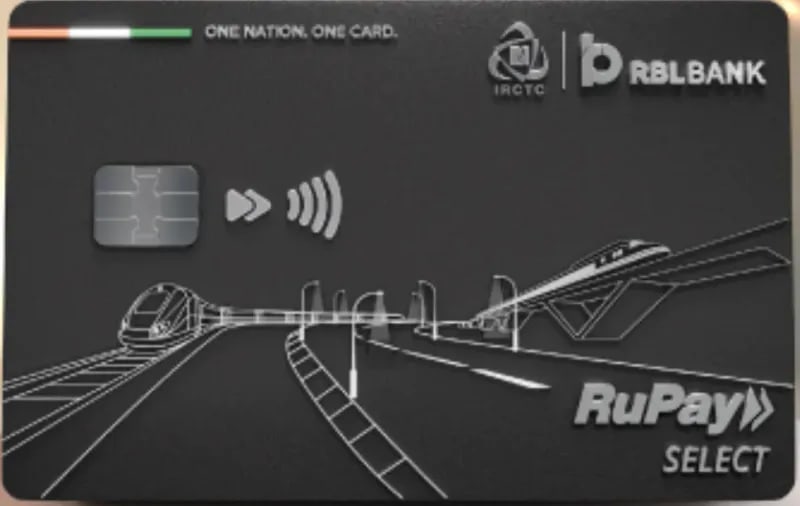
Some co-branded travel cards include railway lounge access rather than, or in addition to, airport lounges. These are separate networks with their own participating-station lists, and a card counting eight railway visits per year is not offering eight airport visits.
How to read the terms before you rely on them
- Find the annual count and the per-quarter cap. Both numbers matter; the cap is what binds on a heavy travel month.
- Check domestic against international as two separate lines, not one benefit.
- Confirm the network — airport, railway, or both — and the participating terminal list.
- Look for a spend trigger on the previous quarter.
- Check guest policy and activation before the trip, not at the counter.
Is lounge access worth a fee?
Price it honestly. A domestic lounge walk-in typically costs a few hundred to around a thousand rupees. If a card charges ₹3,000 a year and you will realistically use four visits, the benefit roughly covers the fee — and only if you value the lounge at its walk-in price rather than at what it feels worth after a delayed flight.
If you fly twice a year, lounge access is not a reason to pay an annual fee. If you fly monthly and the quarterly cap fits your pattern, it is one of the few card benefits that reliably pays for itself.