Getting Started
Your First Credit Card: Getting Approved With No Credit History
With no credit history there is nothing for a bank to score, which is not the same as being scored badly. Secured cards, existing bank relationships and entry-level products are the three routes that work — and the first six months matter more than the card you pick.
CredSpy Editorial
8 min read
On this page8 sections
What works
- Secured cards against a fixed deposit are approved with little or no credit history
- An existing bank relationship substitutes for a bureau record
- Entry-level cards carry low or no annual fee while you build a record
- A clean twelve-month record unlocks products that would reject you today
What to watch
- A secured card locks up a deposit, costing liquidity even when it earns interest
- First limits are low, so utilisation climbs quickly on ordinary spending
- Multiple applications in a short window create hard enquiries and cause rejections
- Entry-level rewards are modest and should not drive the choice
No history is not bad history
A first-time applicant usually has no credit bureau record at all. Lenders describe this as being “new to credit”, and it is a different situation from a low score: there is nothing negative on file, simply nothing to assess.
Banks respond by looking at what they can verify instead — income, employment stability, and any existing relationship with them. This is why your own bank is usually the easiest first approval.
The three routes that work
1. A secured card against a fixed deposit
You place a fixed deposit and receive a card with a limit set against it, typically a large share of the deposit value. Because the bank's risk is covered, approval is close to automatic and income proof is often not required.
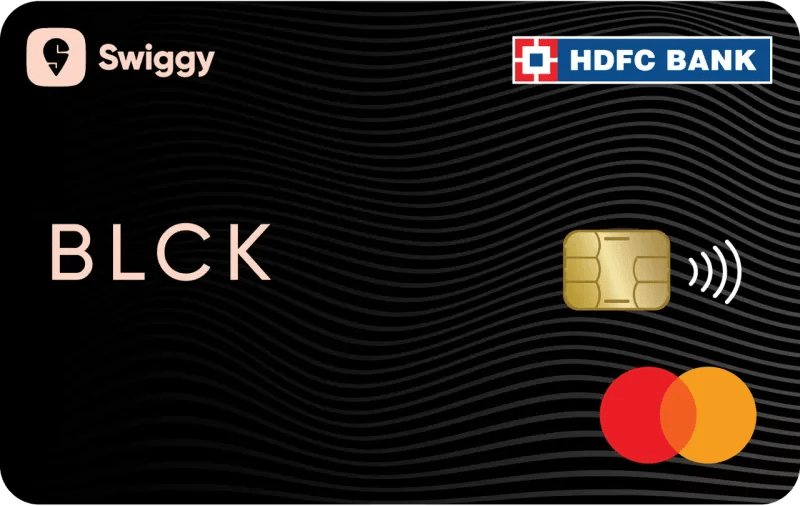
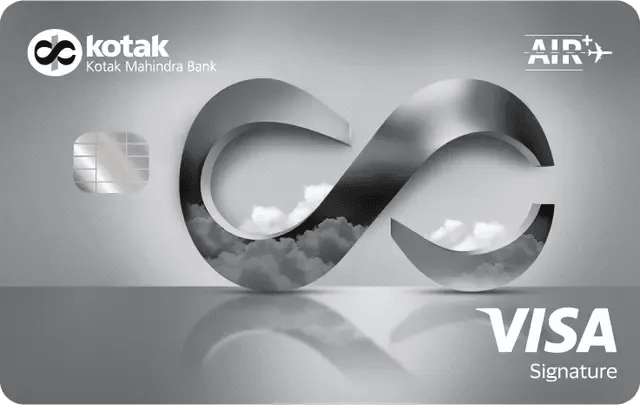
The deposit usually continues to earn interest, so the real cost is liquidity rather than money. Several products in CredSpy's catalogue ship in both a secured and an unsecured variant, and the secured version frequently carries the lower fee.
2. Your existing bank
A bank that already sees your salary credits and balances has data no bureau can offer. Pre-approved offers in a banking app are usually the highest-probability application available to a new-to-credit applicant.
3. An entry-level card
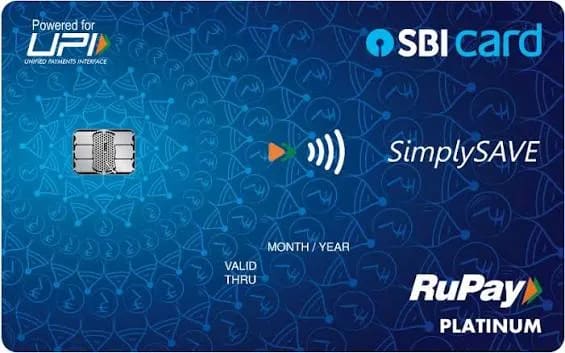
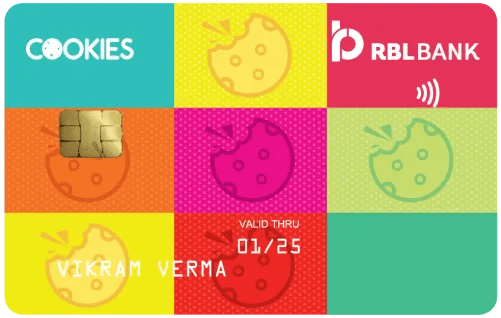
Entry-level products are designed for thinner profiles: lower limits, lower or no fee, modest rewards. The rewards are not the point — establishing a repayment record is.
What actually gets checked
- Income against the card's stated minimum. Published in the eligibility criteria for each card.
- Employment stability. Salaried applicants with a steady employer are assessed more easily than early-stage self-employed applicants.
- Age and residency, both with hard floors set by the issuer.
- Existing obligations. An education loan or EMI already on file affects the assessment.
Apply narrowly, not widely
Every application creates a hard enquiry on your bureau file. Several in a short window reads as credit hunger and can itself cause rejections. Pick one card you plausibly qualify for, apply, and wait for the outcome before trying another.
Check the published eligibility criteria first — minimum income, minimum age, serviceable cities — and rule yourself out on paper rather than through a rejection.
The first six months decide everything
The card you get first matters far less than how you use it.
- Pay the full statement balance every month. On time, in full, without exception.
- Keep utilisation low. Consistently using most of a small limit reads poorly even when you always pay.
- Do not close it. Your first card anchors your credit history length for years.
- Ask for a limit increase after six to twelve clean months rather than applying for another card.
A clean twelve months on an entry-level card opens products that will reject you today. That sequence is the whole strategy.